 English
 Español
  Português
  русский
  Français
  日本語
日本語  Deutsch
  tiếng Việt
  Italiano
  Nederlands
  ภาษาไทย
  Polski
  한국어
한국어  Svenska
  magyar
  Malay
Malay  বাংলা ভাষার
  Dansk
Dansk  Suomi
Suomi  हिन्दी
  Pilipino
  Türkçe
  Gaeilge
  العربية
  Indonesia
  Norsk
Norsk  تمل
تمل  český
český  ελληνικά
  український
  Javanese
  فارسی
فارسی  தமிழ்
தமிழ்  తెలుగు
  नेपाली
  Burmese
  български
  ລາວ
ລາວ  Latine
  Қазақша
  Euskal
  Azərbaycan
  Slovenský jazyk
  Македонски
  Lietuvos
  Eesti Keel
  Română
  Slovenski
  मराठी
मराठी  Srpski језик


THE BENEFITS OF PLASTIC PARTS IN THE AUTOMOTIVE MOLD
THE BENEFITS OF PLASTIC PARTS IN THE AUTOMOTIVE MOLD
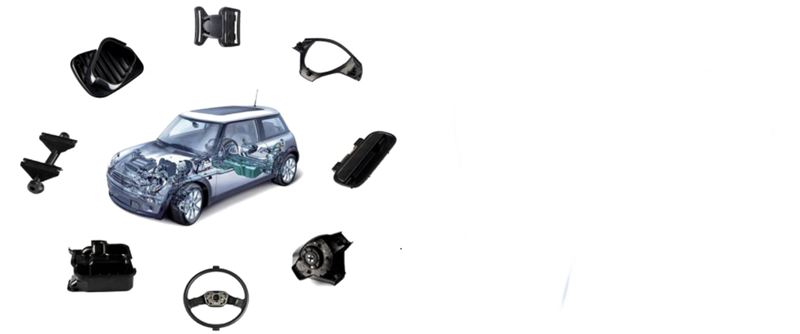
We’ve come a long way since the Model T, transitioning away from heavy metal beams and brackets to lightweight yet durable plastics. Today, plastic parts support a wide variety of car functions, from the pedal and seat components to the powertrain and fuel system. There are several benefits to using plastics in car manufacturing, and skilled injection molders are well-versed in matching the right polymers to a car part’s performance needs. To discover just how useful this material can be, let’s review the benefits of plastic parts in the automotive industry.
Why Use Plastic Parts in the Automotive Mold?
Of the 30,000 parts used in today’s vehicles, nearly one-third are made of plastic, according to Nexant, and there’s a reason for this popularity. Plastic is cost-efficient and weighs significantly less than conventional metals. With fuel efficiency not only being a big selling point but also a growing focus of industry regulations, reducing vehicles’ weights is vital. Furthermore, plastic is frequently more durable than metal and is resistant to corrosion and rust. Car parts are subject to a lot of abuse – both via road hazards and weather – and plastics are best suited to meet these challenges.
Additional Injection Molding Processes Used in the Automotive Mold
There’s a wide range of processes the industry takes advantage of to ensure customer satisfaction. Just a few of the secondary benefits of using plastics in vehicle manufacturing include:
Color: Colorant additives can be applied to plastic resins to achieve the color of the manufacturer’s or driver’s choice.
Inserts: Thermoplastics can work cohesively with metal connectors, which is ideal for components that require non-plastic inserts.
Laser Etching: A laser can be used to etch a design or the manufacturer’s logo onto plastic parts, such as the dashboard.
There are several other benefits, such as imaging application techniques – including silk screening and pad printing – and a variety of other custom processes.
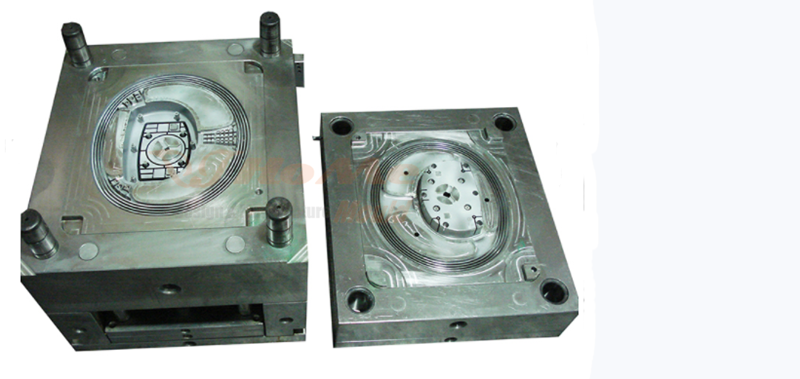
Discovering the many applications of plastic parts in the automotive industry can help you understand just how versatile thermoplastics can be. With the help of plastic injection molders, vehicle manufacturers and many other industries have been able to find better alternatives to short-lived and more expensive materials like metal. At Midstate Mold, we can help you design and create durable plastics parts for your next project, and we can accomplish every step of the injection molding process, from prototype development to production. If you require high-quality plastic parts, contact us today.
If you are interested,Contact me
Previous:TPE Silicon Pillow Injection Mold
Send Inquiry




X
We use cookies to offer you a better browsing experience, analyze site traffic and personalize content. By using this site, you agree to our use of cookies.
Privacy Policy