 English
 Español
  Português
  русский
  Français
  日本語
日本語  Deutsch
  tiếng Việt
  Italiano
  Nederlands
  ภาษาไทย
  Polski
  한국어
한국어  Svenska
  magyar
  Malay
Malay  বাংলা ভাষার
  Dansk
Dansk  Suomi
Suomi  हिन्दी
  Pilipino
  Türkçe
  Gaeilge
  العربية
  Indonesia
  Norsk
Norsk  تمل
تمل  český
český  ελληνικά
  український
  Javanese
  فارسی
فارسی  தமிழ்
தமிழ்  తెలుగు
  नेपाली
  Burmese
  български
  ລາວ
ລາວ  Latine
  Қазақша
  Euskal
  Azərbaycan
  Slovenský jazyk
  Македонски
  Lietuvos
  Eesti Keel
  Română
  Slovenski
  मराठी
मराठी  Srpski језик


Huangyan Establishes Intelligent Mold Industrial Town
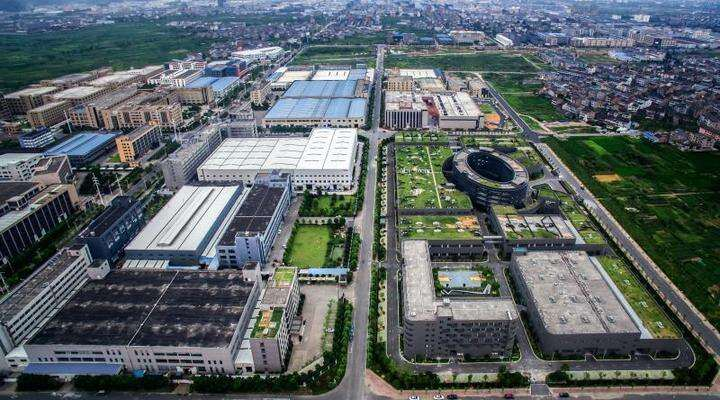
From Traditional Manufacturing to "China's Mold Capital"
On the southeastern coast of Zhejiang, the city of Huangyan in Taizhou has become nationally renowned for its mold industry. Driven by innovation, it is now taking the brand of "China's Mold Capital" to the world. The area boasts the highest concentration of mold enterprises in the country, with an annual output exceeding 20 billion yuan, accounting for over 20% of the national market share. How did Huangyan transform from a traditional manufacturing base into an industry leader.
Industrial Heritage: Six Decades of Technical Expertise
Huangyan's mold industry began in the 1950s. Building on the technological foundation of the state-owned Huangyan Mold Factory, a wave of private mold enterprises emerged after China's economic reforms. By the 1980s, as private mold companies flourished, Huangyan took the lead in adopting CNC machines, shifting from manual carving to precision manufacturing. In 1986, Yang Keng, then Vice Minister of the Ministry of Machinery Industry, visited Huangyan and praised it as the "Hometown of Molds"—a title that has stuck ever since, reflecting the early maturity of the local industry. Today, Huangyan is home to over 2,000 mold companies, including more than 100 large-scale enterprises, forming a complete industrial chain from design to production and support services.
Cluster Effect: Small but Specialized Enterprises Working Together
Huangyan's competitiveness stems from its unique industrial cluster model. Alongside industry giants with annual revenues in the billions, there are numerous small, specialized firms focusing on niche markets. For example, a small factory dedicated solely to smartphone casing molds can achieve annual revenues exceeding 100 million yuan.
Mold industrial parks and shared manufacturing centers further enhance collaboration. A representative from the Huangyan Economic and Information Bureau noted, "Companies here are both competitors and partners—this ecosystem keeps Huangyan ahead of the curve."
Innovation-Driven: Digital and High-End Transformation
In recent years, Huangyan’s mold companies have rapidly embraced digitalization. In the smart factory of industry Hongmei Molds, fully automated production lines operate 24/7 using industrial IoT. "We invest over 8% of our revenue in R&D annually, and our products are now exported worldwide," said the company’s technical director.
The local government actively promotes industry-academia collaboration, partnering with top universities like Zhejiang University and Harbin Institute of Technology to establish mold innovation centers. In 2023, Huangyan’s mold companies saw a 35% increase in new patents, with high-end automotive and optical lens molds now ranking among the world’s best.
Huangyan’s story proves that traditional industries are not synonymous with "low-end." Through technological innovation and collaborative ecosystems, even a small city can secure an irreplaceable position in global competition. In the future, Huangyan may well become another golden name in China’s smart manufacturing.
Previous:How Shopping Carts Are Made
Send Inquiry




X
We use cookies to offer you a better browsing experience, analyze site traffic and personalize content. By using this site, you agree to our use of cookies.
Privacy Policy